
Skip to content
Ocean Pearl Seafood

Home / Products / Slipper Lobster

Distinctive shellfish

Slipper Lobster

Locally known as Udang Kipas

Explore slipper lobster (Udang Kipas) through real product photographs, then define the size, presentation and packing your market requires.

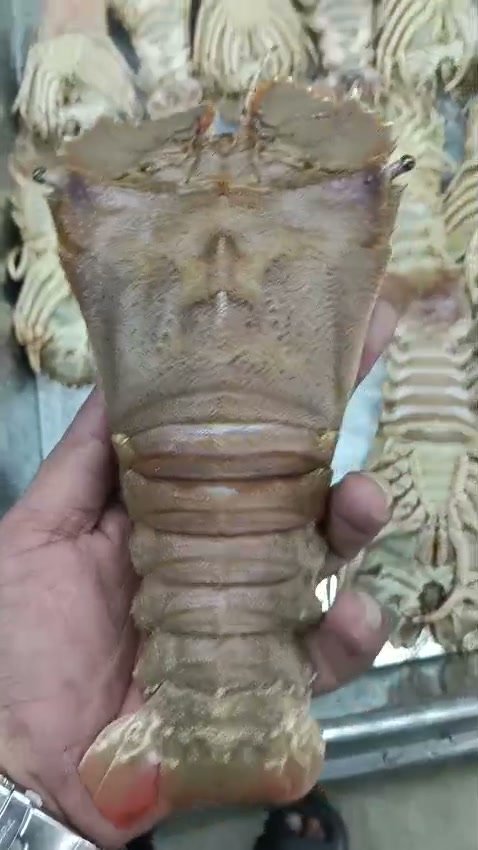
Slipper lobster (Udang Kipas): shell-side product detail
Product reference · Availability confirmed separately
01 Real product imagery02 Buyer-defined specification03 Lot-specific confirmation04 Direct inquiry

A closer look

A distinctive form.
A precise specification.

Start with the actual product.

Udang Kipas is a local trade name commonly used for slipper lobster. Match the offered product to a clear photograph and confirm its species identification before agreeing a specification.

Product reference photographs. They do not establish current stock, species, size grade or shipment availability.

Build a better buying brief

Know what
to confirm.

These are specification checkpoints, not claims of current stock. We align the proposed lot with your requirements before any commercial commitment.

01

Identity & origin

Confirm the scientific identification, landing area and traceability of the offered lot. The local name alone is not a species guarantee.

02

Size & grading

Define count or weight per piece, the grading stage and permitted size tolerance.

03

Presentation

Agree whole or prepared form, raw or cooked status, and fresh or frozen handling. Options require lot-specific confirmation.

04

Packing & net weight

Confirm inner pack, carton, glaze where applicable, declared net weight and destination labeling.

Product intelligence / Slipper Lobster

Species matters.
So does the handling chain.

A source-led lobster brief begins with identity, then follows the product through capture, landing, preparation and packing.

From source to specification.

Connect product imagery with species identity, harvest area, landing information and handling records. The research below explains the product; the proposed lot's documents establish its actual supply chain.

Compare Kipas species, scientific names and above-water specimen photographs →

01 / TECHNICAL CONTEXT

A trade name is not a species

Udang Kipas is a useful local name. A taxonomic revision recognized five species within Thenus, while Indonesian research in Kupang recorded both Thenus indicus and Scyllarides haanii. Scientific identification belongs in the actual lot specification.

Thenus taxonomic revision (2007) ↗KKP: slipper-lobster research in Kupang (2019; fieldwork 2015–16) ↗
02 / TECHNICAL CONTEXT

Catch method is local evidence

The Kupang study documents slipper lobsters taken as bycatch in local net fisheries. That finding describes the study fishery; it does not establish one universal capture method or prove how an offered lot was caught.

KKP: slipper-lobster research in Kupang (2019; fieldwork 2015–16) ↗
03 / TECHNICAL CONTEXT

Preparation changes the comparison

Compare whole, half-cut, tail or meat offers on the same basis. Record raw or cooked status, the stage at which size was measured, the net-weight basis and any glaze. A market name or photograph alone cannot establish these details.

Processing and handling brief

Follow the specification from landing to carton.

  1. 01

    Identify

    Record species, harvest area and capture method for the offered lot.

  2. 02

    Receive

    Check handling history, shell condition and the agreed temperature records.

  3. 03

    Prepare

    Define whole, cut or meat form, raw or cooked status, and the cleaning standard.

  4. 04

    Grade

    State grams per piece or count per kilogram, the grading stage and tolerance.

  5. 05

    Freeze & pack

    Agree freezing method, glaze where applicable, net weight and carton labeling.

  6. 06

    Release

    Review the specification, lot evidence, destination requirements and intended cooking use.

Buyer specification checkpoints, not a validated production recipe or a claim that every Ocean Pearl lot follows this route. Time, temperature, treatment, drying and storage controls must be established for the actual process, intended use and destination. Codex CXC 52-2003 and FDA seafood hazard guidance provide broader technical context, not product certification.

Compare offers on the same basis

Turn detail into
a measurable brief.

Identity

Trade name plus scientific identification

Avoid substituting a species on the basis of the word lobster.

Size

Weight/count and grading stage

Whole-product grading and prepared-product grading are not interchangeable.

Weight

Net product, glaze and packing basis

Like-for-like quotations need the same declared basis.

Condition

Shell integrity, defects and handling history

Photographs support inspection; documented lot checks establish acceptance.

Documented Indonesian context

Place the research
on the map.

Published fishery and processing locations, shown as approximate regional references. This is an educational map, not Ocean Pearl sourcing coverage, current stock or shipment routes.

Indonesian slipper lobster research contextApproximate regional markers. Use the region buttons and text below for the same information. No exact fishing grounds or supplier locations are identified.1
Slipper-lobster study area

Kupang

Kupang, East Nusa Tenggara. Published research recorded Thenus indicus and Scyllarides haanii in local net-fishery bycatch. Study published in 2019, with fieldwork in 2015–16. The shaded area is an approximate geographic reference, not a fishing-ground boundary.

Read the source ↗

Map: existing Natural Earth geographic base, reused from Ocean Pearl's site. Natural Earth terms. Shaded regions are illustrative geographic anchors, not surveyed boundaries. Study dates and evidence types are stated above.

Read the evidence

Sources behind
the guide.

Research findings and technical guidance are kept separate from lot-specific commercial claims. Buyer checkpoints are Ocean Pearl's editorial synthesis.

  1. Thenus taxonomic revision (2007)
  2. KKP: slipper-lobster research in Kupang (2019; fieldwork 2015–16)
  3. Codex codes of practice: CXC 52-2003, Fish and Fishery Products
  4. FDA: Fish and Fishery Products Hazards and Controls Guidance

From first inquiry to a defined offer

A practical path forward.

01

Share your requirement

Tell us the product form, quantity, packing, destination and timing. Include your specification or reference sample.

02

Check the proposed lot

Review current availability, product details, handling, documentation and sample evidence against your brief.

03

Agree the details

Confirm the specification, commercial terms and shipment requirements in writing before proceeding.

Buyer questions

Before you
request an offer.

Is Udang Kipas the same as ordinary shrimp?

The name is commonly used for slipper lobster, a different product from typical shrimp and prawns. Confirm identification against the offered lot; photographs alone do not establish a scientific species.

Which sizes and formats are available?

Please share your target size and product form. Current availability and the actual grading basis will be confirmed before an offer.

Can you confirm an export programme?

The proposed origin, processing establishment, documents and destination requirements must be checked for each transaction.

Talk to Ocean Pearl

Let's define
your requirement.

Use this short brief to start an email about udang kipas. No order is placed and no supply is reserved.

Prefer a direct conversation?
info@oceanpearlseafood.com
Contact information ↗

Opens your email app. Review and send there. This form does not submit data to a server.